
How I Hunt for Coffee
The rubric behind what we feature, and why discovery beats guessing.

I kept coming back to the same moment… finishing a bag I loved, staring at the empty wrapper, and realizing the hardest part of specialty coffee isn’t brewing.
It’s choosing “which coffee am I going to drink next” without guessing.
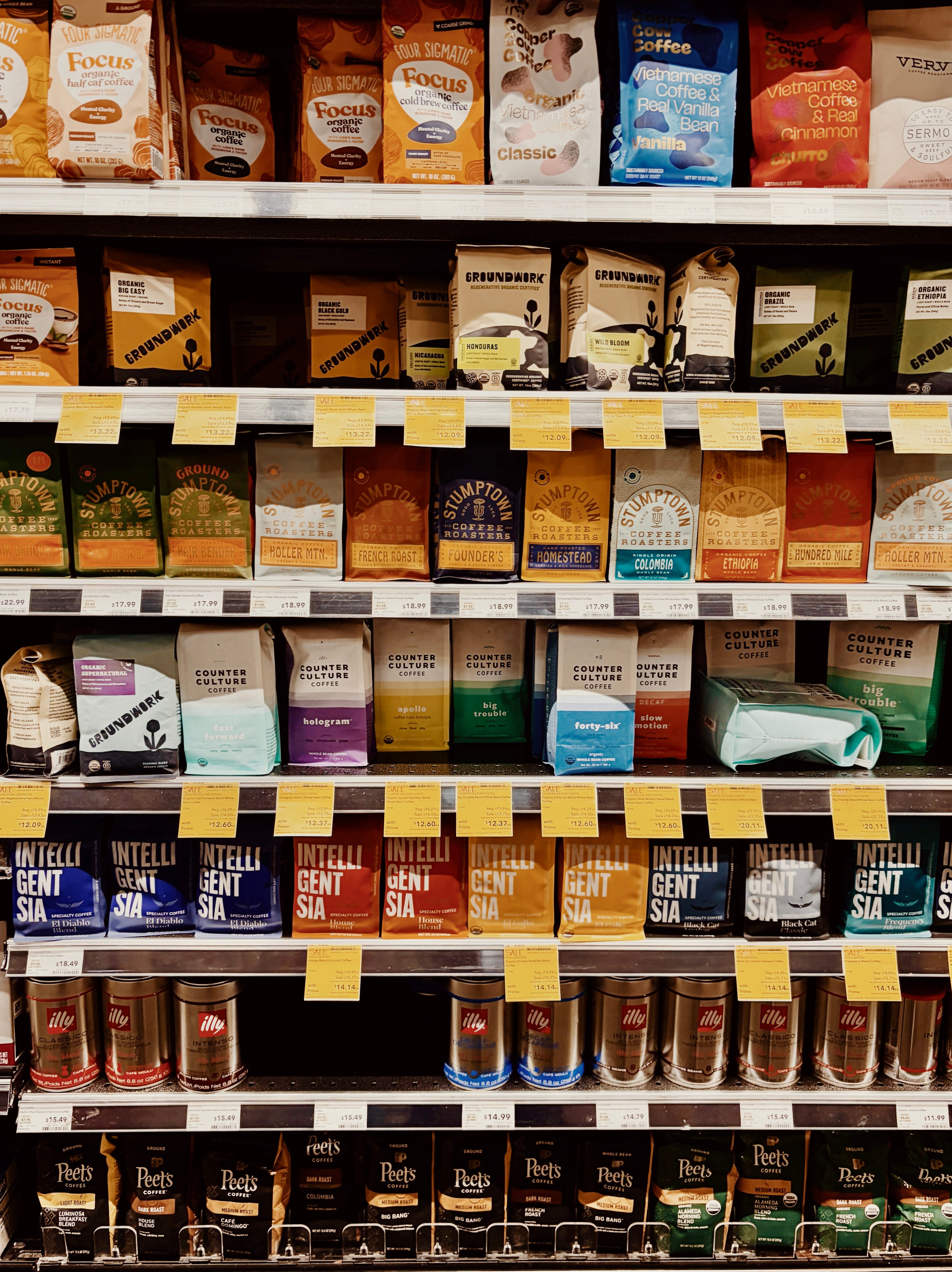
When I first started exploring beyond grocery store coffee, I realized the store wanted me to choose safely. They handed me three options like they were the whole world: Light, Medium, Dark. And then a few “wildcards” mixed with mushrooms or Lucky Charms, just to prove they still had a personality.
Most of the bags felt like the same story told with different fonts, and tasting notes that were basically creative ways of saying dark chocolate.
But later I learned the actual map is massive.
That’s when I realized the problem wasn’t coffee. It was discovery.
Most of the time you’re either being marketed to, or you’re being talked at in a language that assumes you already know everything. And if you don’t, you end up doing what grocery stores trained you to do: choosing safely.
CoffeeHunt is built for the exact moment you finish a bag you loved and think, “Okay… what’s next?”
Because coffee is just coffee, right?
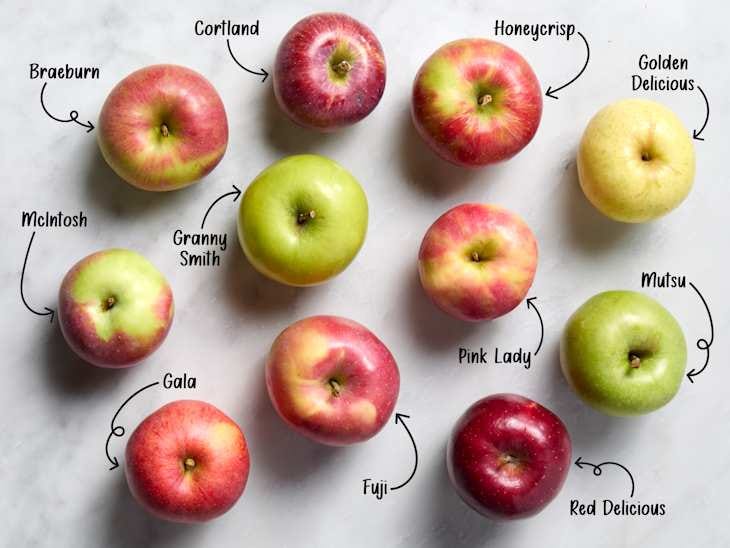
Not if you know the difference between a Granny Smith and a Honeycrisp. Or a navel orange and a blood orange. Once you’ve tasted that kind of range in fruit, you stop believing the category is small. You start believing it’s worth exploring.
Hundreds of origins, thousands of farms, varieties that can taste like completely different fruits, fermentations that can turn a cup into something genuinely strange in the best way, roast choices that either let a coffee speak or sand it down into generic “coffee flavor.”
Not only does the variety of flavor come from the tree it self, but a set of choices, and a thousand tiny decisions from the producers that shaped what ended up in your cup. Coffee is one of the only things you can drink where geography and craft show up this directly… and yet we’re usually shopping like it’s just another flavored product.
Though CoffeeHunt, I want to help you explore all of that, without the overwhelm.
And the core promise is simple: translate coffee language into plain terms that help you understand what you’re buying, so you don’t have to guess.
That’s why we don’t feature everything.
We feature coffees that teach you something, surprise you, and reward your attention. The kind of bag that makes you pause mid-sip and go, “Wait… wow… I didn’t know coffee can taste like this?”

Built for home brewers
We also design for home brewers first. The people pulling shots before during and after work. The people making filter on slow weekends. The people dialing in because, honestly, that’s half the joy. The coffees we feature should shine in those routines, where small adjustments actually matter and the cup tells you the truth.
Roast with intention
When it comes to roasting, we look for intention and real character. Light roasts lead our filter selections, where clarity and nuance can actually sing. Espresso tends to lean medium to medium-dark, but only when it keeps sweetness, structure, and a distinct identity. I’m not interested in coffees where roast level replaces personality.
And we’re keeping it US roasters only, not because great coffee doesn’t exist everywhere, but because discovery dies when shipping is a headache. If the friction is too high, people stop exploring. I want it to be easy to say yes to a new bag.
Limited by nature
And we prioritize coffees that are limited by nature. Micro-lots, rare releases, seasonal drops, short runs… the kinds of coffees that feel like a moment in time. Because these lots are often where producers and roasters take creative risks, and where drinkers get to taste something they didn’t know existed.
That same idea is why we actively seek rare origins and uncommon varieties. Sometimes it’s a region you rarely see on a menu. Sometimes it’s a variety you’ve only read about. Either way, the goal is the same: make discovery feel like learning, not like scrolling.

Craft-forward, end to end
And we’re craft-forward through the entire chain. We highlight coffees where intention shows up everywhere, in sourcing, in processing and fermentation, in roasting choices that bring the coffee to life instead of sanding it down into sameness.
Translation over guessing
If you’ve ever bought a bag because it sounded poetic and then brewed it and thought, “Wait… what is this supposed to taste like?” that’s the gap I’m trying to close.
Every coffee we feature should come with the details that actually help you choose: where it’s from, how it was processed, what the roaster was aiming for, and what you should expect in the cup in normal human terms not marketing fluff.
One more thing, because I care about trust more than momentum: we don’t use affiliate links right now. This is discovery first. If that ever changes, you’ll hear it clearly.
CoffeeHunt is a tool, yes.
But it’s also a practice… paying attention, staying curious, and letting coffee be what it really is: a story you can taste. A moment of time captured.
Here’s what I’d love from you: Tell me what makes you buy a new bag of coffee? Comment below if cost is a factor.